Introduction
Percutaneous Endoscopic Gastrostomy (PEG) tubes have ended up being an essential device in modern medicine, offering important nourishment to people that can not take in food by mouth. The correct monitoring of PEG tubes is crucial for making sure client security and convenience, making it a necessary skill for nursing and assistance roles. This short article dives deep into the ins and outs of PEG tube administration, incorporating every little thing from training to functional methods, and emphasizes the value of proper care for individuals depending on enteral nutrition.
PEG Tube Monitoring: Crucial Abilities for Nursing and Support Roles
What is PEG Feeding?
PEG feeding refers to the process of providing nourishment straight into a client's stomach via a tube placed through an endoscopic treatment. This technique is commonly used for people with ingesting difficulties due to different medical conditions such as neurological conditions, cancers cells, or strokes.
Why Use PEG Feeding?
- Nutritional Support: Provides important nutrients when oral intake isn't possible. Improved Top quality of Life: Individuals can maintain their dietary needs without intrusive methods. Home Care: Promotes at-home treatment choices for people calling for ongoing support.
The Value of Training in PEG Tube Management
Training is paramount in the world of medical care, especially worrying procedures like PEG tube monitoring. Registered nurses and assistance employees need to be sufficiently geared up with understanding regarding enteral feeding strategies and difficulties that may arise.
NDIS PEG Feeding Training
The National Impairment Insurance coverage System (NDIS) supplies specialized training programs customized to the special challenges dealt with by registered nurses and assistance employees handling enteral feeding. These programs are made to boost abilities in:
- Tube Placement: Recognizing exactly how to appropriately position a PEG tube. Feeding Techniques: Administering enteral nourishment safely.
Enteral Feeding Assistance Course
An enteral feeding support course offers extensive protection on numerous subjects including:
Types of enteral feeds Administration methods Monitoring techniquesThese courses are indispensable resources for those involved in straight client care.
Essential Abilities Called for in PEG Tube Management
Understanding Enteral Nutrition Support
Enteral nutrition entails delivering nutrients directly to the gastrointestinal tract. It's vital that medical care professionals recognize just how this varies from parenteral nutrition (IV feeding).

Key Parts of Enteral Nutrition:
Macronutrients (healthy proteins, fats, carbs) Micronutrients (vitamins and minerals) Water balance Caloric requirementsCorrect Positioning Strategies for PEG Tubes
Proper positioning is necessary in ensuring that the tube functions properly without triggering injury or discomfort.
Steps Involved in Appropriate Placement:
Preparation: Collect all needed equipment. Insertion: Adhere to sterilized methods during insertion. Confirmation: Inspect positioning utilizing pH screening or imaging studies.Maintenance of PEG Tubes
Regular upkeep guarantees that tubes stay license and functional.
Daily Care Protocols Include:
- Cleaning around the stoma site Monitoring for indications of infection Flushing the tube with water before and after feeds
Recognizing Problems Related to PEG Tubes
Complications can arise even with proper monitoring; therefore it's critical to understand what to keep an eye out for.

Being vigilant about these issues can avoid additional difficulties down the line.
Training Alternatives Available for Healthcare Professionals
Overview of PEG Educating Courses
There are many training programs readily available specifically created for healthcare professionals seeking to enhance their abilities in handling PEG tubes effectively.
Types of Training Training courses:
peg feeding training australia Peg Training for Nurses- Focused on clinical application and individual care strategies.
- Tailored material focusing on useful abilities needed in home treatment settings.
- Localized offerings giving insights right into Australian healthcare standards.
Benefits of Enrolling in Peg Feeding Training
Participating in specialized training programs advantages medical care specialists substantially by equipping them with up-to-date methods rooted in research-backed methodologies.
Practical Strategies for Reliable PEG Tube Management
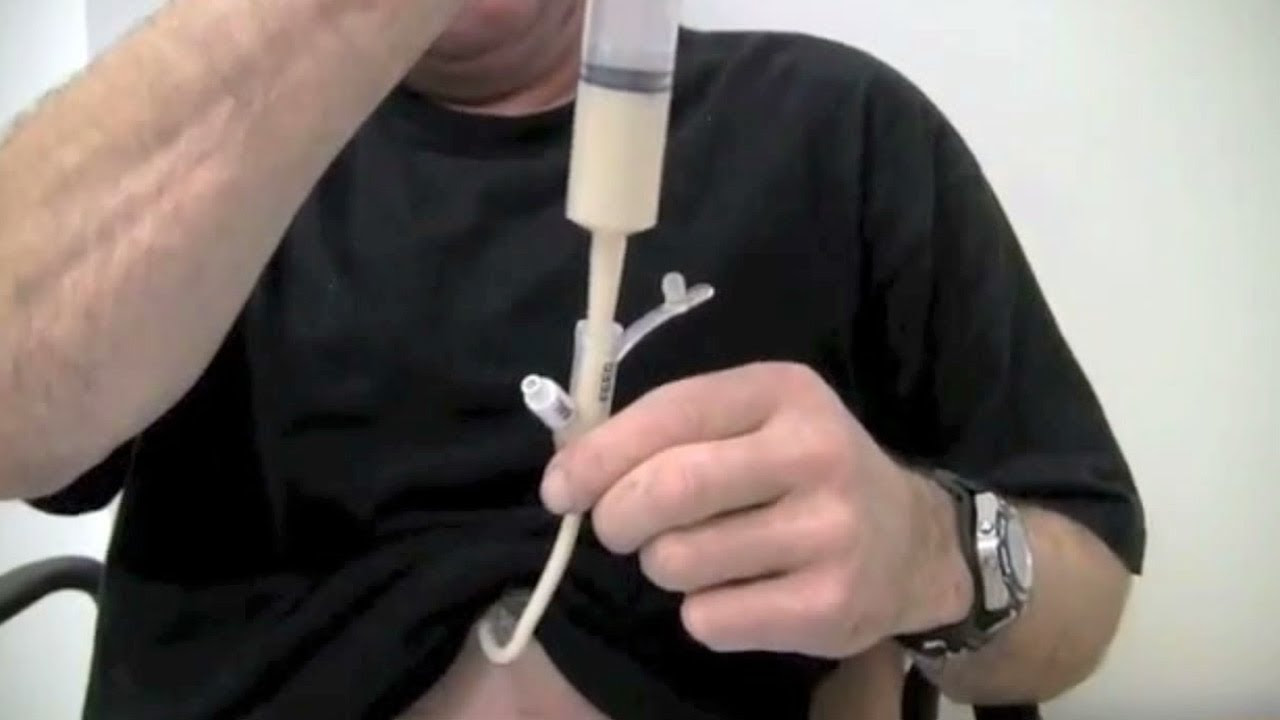
Administering Enteral Feeds Safely
Administering feed calls for cautious focus to strategy and hygiene to lessen risks connected with feeding through a tube.
Best Practices Include:
Verify tube positioning before each feed. Use aseptic technique during preparation. Monitor person resistance throughout administration.Monitoring Person Action During Feeding
Monitoring just how clients react throughout feeding sessions helps mitigate possible dangers while likewise enhancing overall convenience levels.
Key Indicators to Observe:
- Signs of distress or discomfort Vomiting or regurgitation Changes in important indications
Special Considerations When Taking care of PEG Tubes
Modified Diet plan Plans Based on Specific Needs
Not every individual will have the exact same nutritional needs; therefore comprehending these variations is key.
Factors Affecting Dietary Modifications:
Age and weight Underlying clinical conditions Personal choicesPsychological Elements of Patients Needing PEG Feeds
Patients may experience anxiety or anxiety concerning their feeding approaches; attending to these worries holistically boosts care quality.
FAQs regarding PEG Tube Management
What is a PEG Tube?
A Percutaneous Endoscopic Gastrostomy (PEG) tube is an adaptable tube put right into the belly via an endoscopic procedure to provide nutrition directly when oral consumption isn't possible.
How long can an individual stay on a PEG feed?
Patients can stay on a PEG feed as long as clinically needed, but regular analyses must make sure continued appropriateness based upon nutritional demands and general health status.
Can I administer medications with a PEG tube?
Yes, medicines can be administered via a PEG tube; nonetheless, they need to be liquid whenever feasible or correctly crushed if strong types are used-- always get in touch with standards concerning particular medicines first!
What ought to I do if my patient's tube ends up being dislodged?
If a tube comes to be dislodged, do not attempt re-insertion on your own! Rather, look for prompt medical support while guaranteeing that your individual stays comfortable until help arrives.
Are there any type of age constraints concerning who can obtain a PEG tube?
No details age limitations exist; nevertheless, scientific judgment ought to direct choices based on underlying health and wellness problems instead of age alone.
How commonly must I alter dressings around the stoma site?
Dressings must typically be transformed day-to-day or if they end up being wet or dirtied-- however constantly adhere to particular protocols set forth by your healthcare facility!
Conclusion
In verdict, grasping the art of PEG Tube Management is vital within nursing and assistance roles-- incorporating theoretical knowledge with functional abilities makes sure patient safety and security while enhancing their quality of life with reliable enteral nutrition support group like PEG feeds Constant education through opportunities such as ndis peg feeding training or enteral feeding support courses stays paramount as we navigate this complicated yet gratifying area together! On a regular basis refreshing these abilities guarantees ideal treatment shipment while fostering self-confidence amongst experts collaborating with vulnerable populations reliant on these vital treatments-- the trip is ongoing yet greatly vital!